Srinagar’s 200-Year-Old Kashmiri Postpartum Remedy “Lous Gass” Keeps Tradition Alive
Screenshot
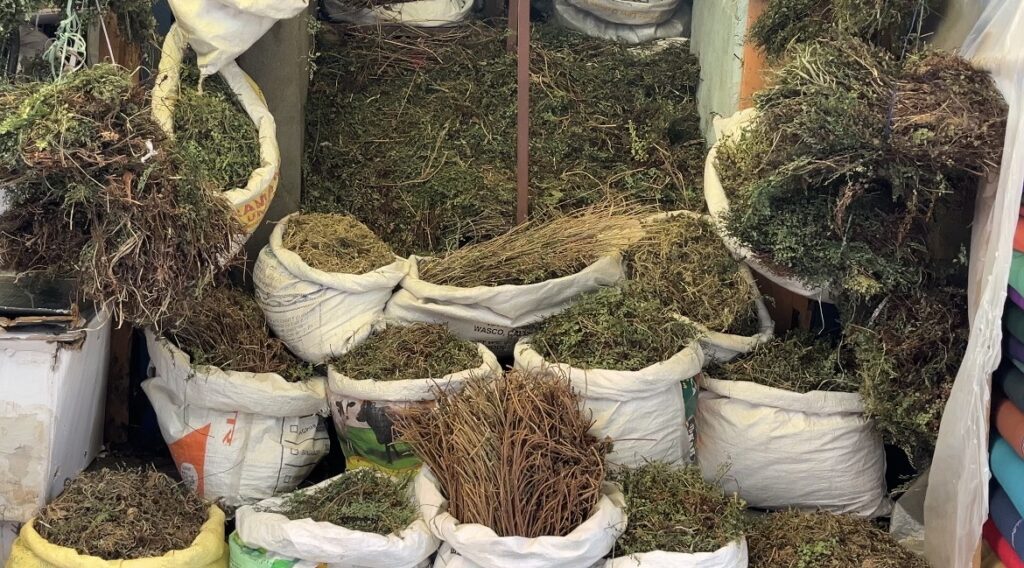
In the heart of Srinagar, a centuries-old Kashmiri tradition of maternal care continues to thrive through “Lous Gass,” a traditional postpartum herbal bath used for women after childbirth. The practice is being preserved by Ghulam Rasool Wani, whose family has been selling and preparing this rare herbal remedy for nearly 200 years.
According to Wani, the tradition began with his grandfather and has been passed down through generations. “For the last 80 years, my family has been directly involved in selling Lous Gass. This knowledge is much older almost two centuries and deeply rooted in Kashmiri culture,” he says.
Lous Gass is a special blend of 18 medicinal herbs, including Pumb Chalan, Maadi Sathh, Geew Kheer, Kal Vouth, Wolkaisu, and other locally sourced herbal ingredients. The herbs are boiled in water, and the infusion is used for the first postpartum bath of the woman after delivery.
Traditionally, women who undergo normal delivery take this herbal bath twice once after 7 days and again after 40 days. In cases of caesarean delivery, the bath is given only once, after 40 days, following proper healing and rest.
The treatment is believed to help cleanse the body, restore warmth, relieve post-delivery pain, improve circulation, and support overall recovery. While Lous Gass is a well-known traditional remedy in Kashmir, Wani notes that similar herbal postpartum treatments are now being used across different parts of India, reflecting a growing interest in natural and traditional healthcare practices.
Medical experts stress that such treatments should always be used responsibly and with medical guidance, especially in surgical deliveries. However, many families continue to trust Lous Gass as a symbol of care, tradition, and community wisdom.
At a time when modern medicine dominates maternal care, the continued use of Kashmir’s Lous Gass stands as a powerful reminder of the region’s rich cultural heritage where healing is not just physical, but also deeply connected to tradition and trust passed down through generations.