

Long known for its apples, India’s Himalayan region of Kashmir is witnessing a gradual shift in its horticulture sector as rising unemployment encourages educated young people to return to farming, with many investing in high-value stone fruits aimed at domestic and overseas markets.
The trend has gained momentum after Kashmir exported its first premium consignment of cherries and plums to the United Arab Emirates, reflecting growing international demand for the Valley’s fresh produce. Growers say the development is encouraging farmers to diversify beyond apples and adopt modern orchard management practices to improve quality and profitability.
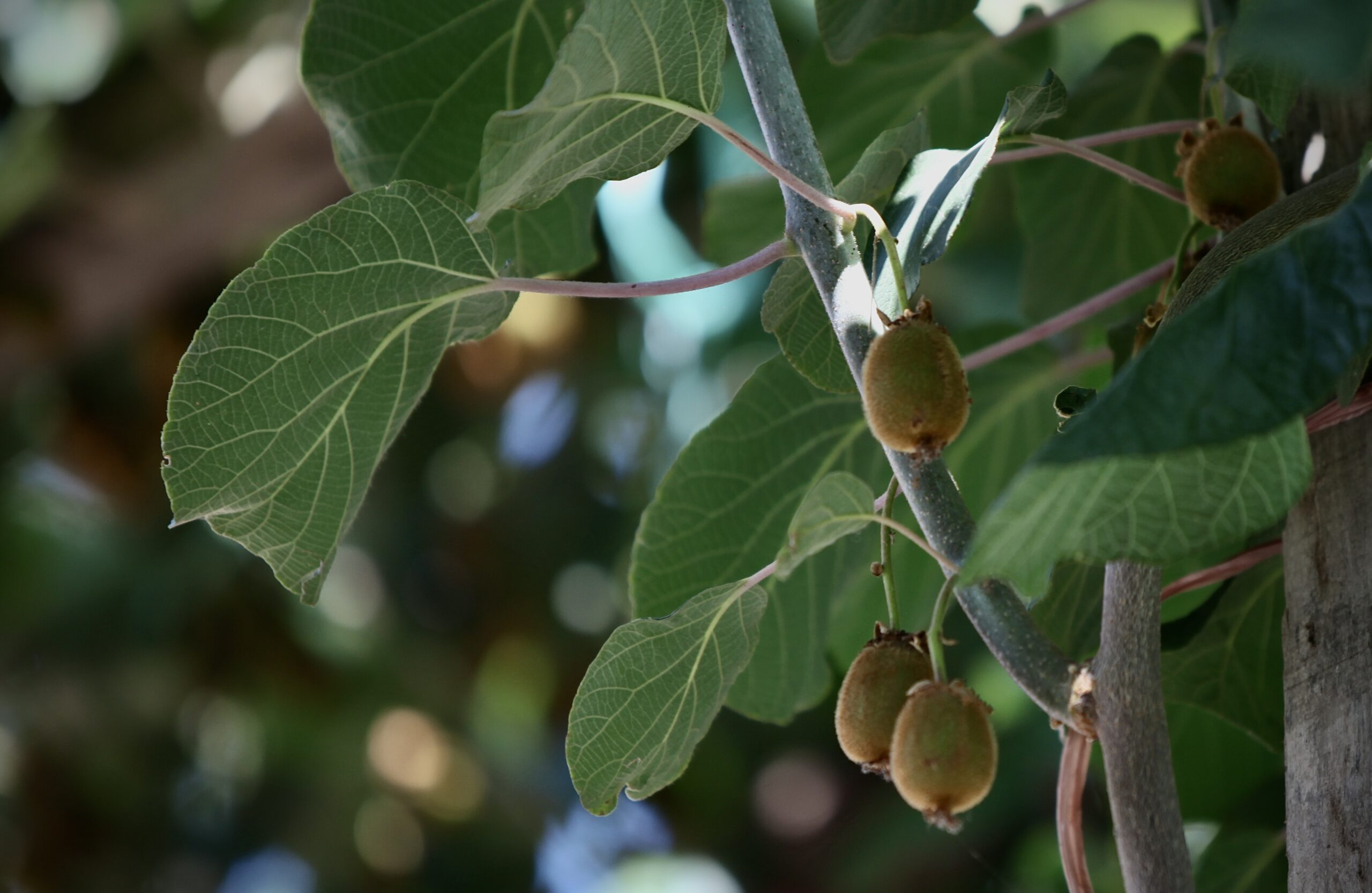
Across several districts in south Kashmir, young graduates are introducing high-density plantations, scientific pruning techniques, drip irrigation and improved fruit varieties. Alongside apples, farmers are increasingly cultivating cherries, plums, peaches, apricots, kiwis and persimmons to extend harvesting seasons and reduce dependence on a single crop.
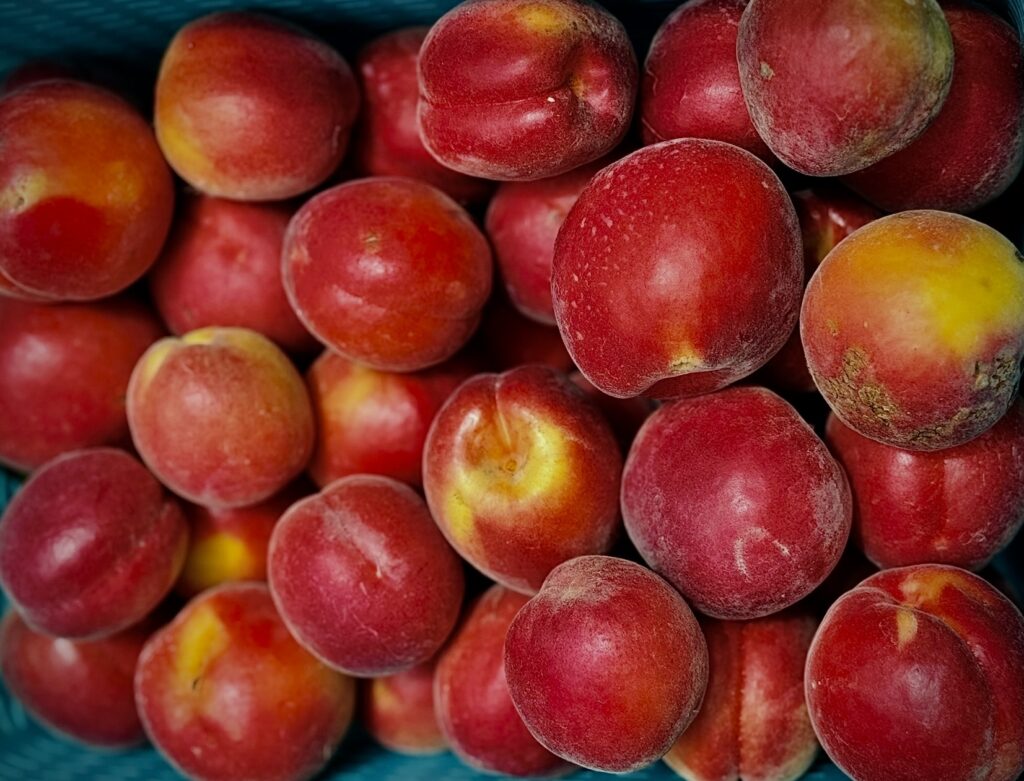
While talking to Arjul Islam Bhat, a farmer from Kulgam district who holds a Master’s degree in Statistics from the University of Kashmir, he said limited employment opportunities led him to choose horticulture as a profession.
“Unemployment has become a serious challenge in Jammu and Kashmir. I shifted from academics to horticulture to earn a sustainable livelihood,” Bhat said.
He said his family continues to cultivate apples but has diversified into stone fruits because they mature earlier than apple varieties, providing farmers with an additional source of income before the main apple harvest.
“We should not depend only on apples. Cherries, plums, peaches and other stone fruits have strong market demand and excellent export potential,” he said, adding that the recent exports of cherries and plums to Dubai had encouraged growers to expand cultivation of premium fruit varieties.
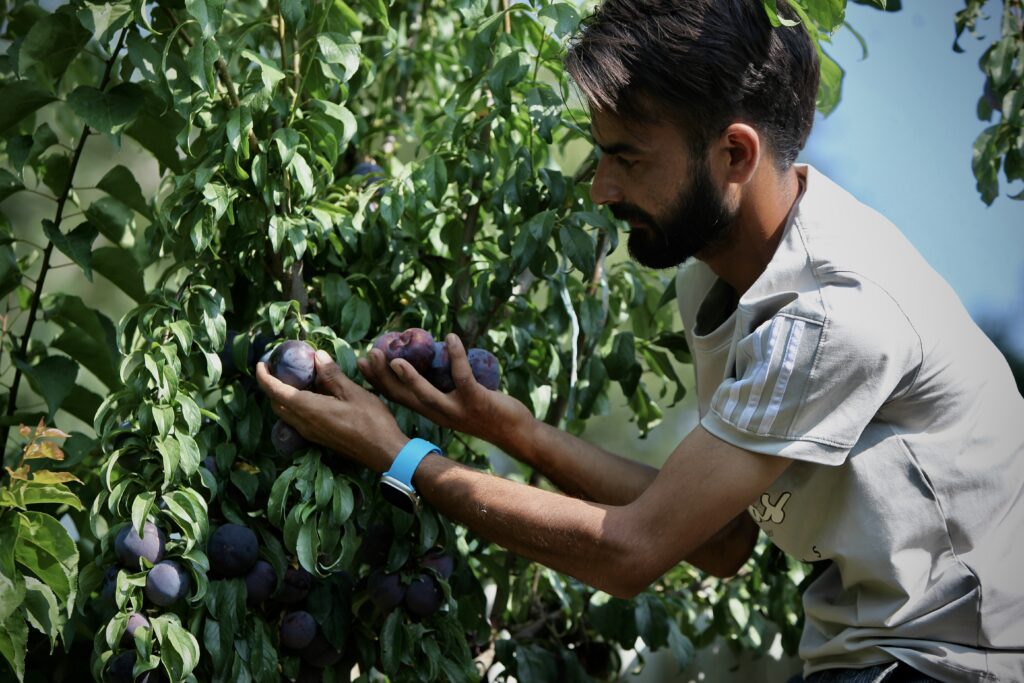
While talking to another farmer, Saqib Ahmad Bhat from Qaimoh in Kulgam district, he said educated youth are bringing innovation to Kashmir’s horticulture sector by introducing improved fruit varieties from Europe and other countries and adapting them to local conditions.
He said he has personally experimented with several stone fruit varieties and has seen encouraging results, while more young people in his area are joining the horticulture sector and adopting modern farming practices.
“The successful export of cherries and plums has shown that Kashmir has the potential to become an important supplier of premium stone fruits,” he said. “If more varieties are cultivated and infrastructure improves, international demand will continue to grow.”
Industry experts say investments in cold-chain logistics, grading, packaging and post-harvest management will be critical if Kashmir is to compete with established fruit exporters. Farmers also say improved market access and government support could help generate employment and raise rural incomes.
For many young growers, horticulture is no longer viewed as a traditional occupation but as a modern business, offering an alternative livelihood at a time when employment opportunities remain limited and global demand for premium fresh fruit continues to rise.











Leave a Reply